



Key Points
- Gabapentin overdose can occur through misuse, accidental large doses, or dangerous combinations with opioids, benzodiazepines, or alcohol.
- Overdose symptoms include severe drowsiness, slurred speech, breathing difficulties, and loss of consciousness.
- Call 911 immediately when an overdose is suspected and monitor breathing while awaiting help.
- Treatment focuses on supportive care since no specific antidote exists for gabapentin.
- Prevention includes taking medication as prescribed and avoiding alcohol and sedative combinations.
- Follow-up care should address substance use concerns and mental health management.
Introduction
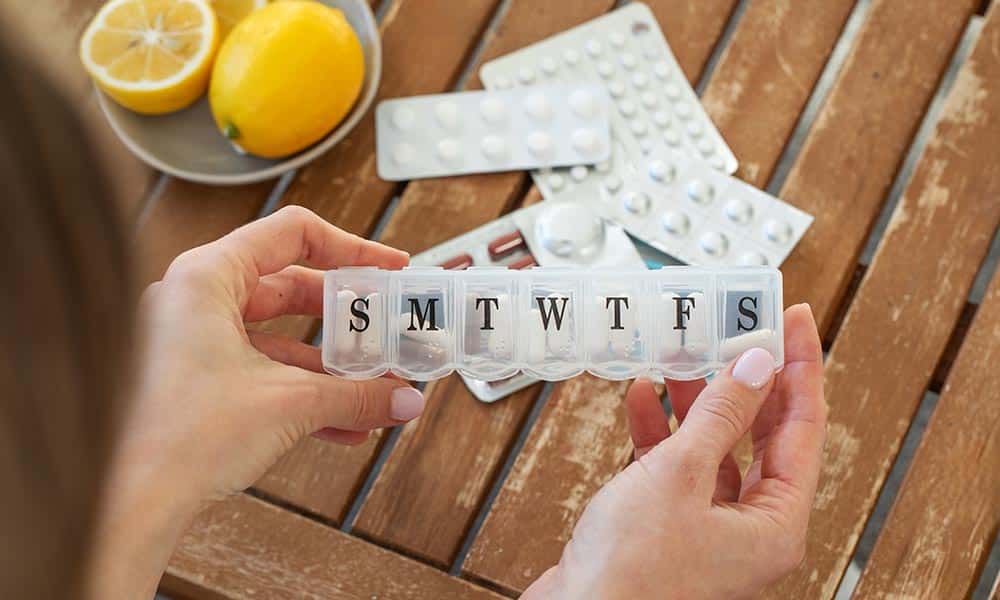
Gabapentin, commonly known by the brand name Neurontin®, is widely prescribed for managing nerve pain, controlling epileptic seizures, and treating restless legs syndrome. While gabapentin is generally safe when taken as prescribed, misuse of it or combining it with other substances can lead to serious overdose.
Understanding what a gabapentin overdose looks like and knowing how to respond can make a huge difference in an emergency. This guide will walk you through recognizing warning signs, taking immediate action, and preventing future risks.
What Is Gabapentin and How Does It Work?
Gabapentin is an anticonvulsant or, more specifically, a gamma-aminobutyric acid (GABA) analogue that dampens overactive nerve signals in your brain. This helps reduce pain, prevent seizures, and calm restless sensations. Doctors often prescribe gabapentin off-label for anxiety, insomnia, or migraine prevention, which can increase the risk of unsupervised use.
Your body processes gabapentin primarily through your kidneys. If your kidneys aren’t functioning properly [1], gabapentin can accumulate in your system. When the medication builds up rather than being cleared efficiently, even normal doses can lead to toxic levels.
How Does a Gabapentin Overdose Happen?
Gabapentin overdose typically happens through several scenarios. Taking large doses, either intentionally for stronger relief or accidentally through double-dosing, is one direct path to overdose. Combining gabapentin with other central nervous system depressants like opioids, benzodiazepines, or alcohol creates particularly dangerous situations [2] where substances work together to slow breathing, heart rate, and brain function.
Kidney dysfunction dramatically changes how your body handles gabapentin. If you have chronic kidney disease or declining kidney function, your body can’t clear gabapentin at the normal rate, causing accumulation.
Self-medicating without medical supervision, such as obtaining gabapentin from friends or using leftover prescriptions, also represents a significant risk.
What Are the Signs of a Gabapentin Overdose?
Physical Symptoms
Physical manifestations often begin with severe drowsiness [3] or lethargy. Someone may seem excessively sleepy, appear to be “zoning out,” or struggle to stay awake. Other physical symptoms include dizziness, loss of balance, slurred speech, nausea, vomiting, and abdominal pain. Vision changes like blurred or double vision may occur, along with tremors or muscle twitching.
More serious symptoms include labored or shallow breathing, low blood pressure, rapid heart rate, and, in severe cases, loss of consciousness, seizures, or coma.
Behavioral and Cognitive Signs
Confusion and disorientation are common, with affected individuals unable to recall basic information or understand what’s happening. Agitation, restlessness, or unusual irritability can manifest even as physical sedation increases. Uncoordinated movements, stumbling, and inability to stand reflect how an overdose impairs motor control.
When to Suspect Co-ingestion or Polydrug Use
Combining gabapentin with opioids significantly increases the risk of respiratory depression [4]. Look for pinpoint pupils, a sign covered in detail in our guide on dilated pupils and drug use, along with profound sedation. When alcohol is involved, depressant effects intensify dramatically, quickly progressing from drowsiness to unconsciousness.
Immediate Actions to Take in a Suspected Gabapentin Overdose
Call 911 right away. Don’t wait to see if symptoms improve. Clearly state that you suspect a drug overdose and provide information about what was taken.
If the person is conscious, keep them awake and alert. Stay calm, keep them upright if possible, and gather information about what medication they took, when, and how much. If unconscious, place them in the recovery position by rolling them onto their side to prevent choking. Stay with them and monitor breathing continuously.
Never induce vomiting unless instructed by a medical professional, and don’t give anything to eat or drink. Keep Poison Control information (1-800-222-1222) readily available for guidance.
What to Expect From Emergency Treatment for a Gabapentin Overdose
Healthcare providers will immediately assess vital signs and perform neurological examinations. Blood tests and toxicology screens may be ordered. Treatment consists of supportive care [5] because no specific antidote exists. This includes maintaining the airway, breathing, and circulation, administering activated charcoal if appropriate, providing intravenous fluids, and using mechanical ventilation if needed. Anticonvulsants may be given to control seizures, and hemodialysis may be necessary in life-threatening situations for patients with kidney failure.
Recovery and Follow-Up Care
Physical recovery may happen within 24 to 48 hours for some, though others need several days, especially with compromised kidney function. Follow up with your prescribing physician to discuss what happened and evaluate whether gabapentin remains appropriate. If the overdose involved intentional misuse, screening for types of substance use disorders treated in a structured recovery setting is essential. Mental health evaluation should be a priority, as underlying conditions like anxiety or chronic pain often drive medication misuse.
Preventing Gabapentin Overdose
Safe Use Practices
Take gabapentin exactly as prescribed and never increase your dose without medical approval. Extended-release versions must be swallowed whole. Avoid combining gabapentin [6] with alcohol, opioids, or sedatives unless specifically approved by your physician. Always inform pharmacists about all medications and supplements. For older adults or those with kidney disease, ensure doses are adjusted appropriately.
Storage and Disposal
Keep gabapentin secure and out of reach of children and anyone who might misuse it. Never share your prescription. Dispose of unused medication properly through take-back programs.
Awareness and Education
Educate family members about overdose signs and emergency procedures. Encourage open conversations about medication safety, particularly with loved ones managing chronic pain or mental health conditions.
Coping With Anxiety About Medications
If you’re anxious about taking gabapentin, remember it’s generally safe when used correctly. Keep a medication journal to track doses and set phone alarms for timing. Don’t hesitate to consult your healthcare provider with questions. If anxiety leads to medication avoidance, seek counseling or join a support group.
Conclusion
Gabapentin overdose is a serious medical emergency requiring immediate attention. Key warning signs include severe drowsiness, slurred speech, breathing difficulties, and loss of consciousness. Call 911 immediately when an overdose is suspected. Prevention strategies, including taking medication as prescribed, avoiding dangerous combinations, proper storage, and open communication with healthcare providers, offer your best protection.
If you or a loved one is struggling with gabapentin misuse, please reach out for help. At Able 2 Change, we understand the challenges of managing substance use and mental health concerns. Our compassionate team in San Juan Capistrano is here to provide the support and treatment you need.