



Key Points
- Buprenorphine typically stays in your body for 5 to 10 days, with detection windows varying by test type and individual factors.
- The medication has a half-life of 24 to 42 hours, meaning it takes roughly 5 to 9 days for complete elimination in healthy individuals.
- Urine tests can detect buprenorphine or its metabolite for 7 to 14 days, while hair tests show use for up to 90 days.
- Factors like liver function, dosage, metabolism, and formulation type significantly affect how long buprenorphine remains detectable.
If you’re taking buprenorphine as part of your recovery from opioid dependence, you may wonder how long the medication stays in your body. This concern is entirely understandable, especially when you’re facing drug tests for employment, switching medications, or simply want to understand how the treatment works.
First, it’s essential to recognize that buprenorphine is a medication that helps manage cravings and withdrawal symptoms [1]. Detection times vary based on many factors, including your metabolism, liver function, dosage, and the type of test used. Understanding the science behind detection helps you make informed decisions about your treatment without stigma or shame [2].
At Able 2 Change, we believe that medication-assisted treatment represents hope and healing, not something to hide. Whether you’re considering buprenorphine therapy or are currently managing your recovery with this medication, we’re here to provide compassionate, knowledgeable support every step of the way.
What Is Buprenorphine?
Buprenorphine is a partial opioid agonist used in medication-assisted treatment to reduce cravings and withdrawal symptoms for people recovering from opioid use disorder [1]. Unlike full opioid agonists, buprenorphine produces a “ceiling effect” that limits its euphoric and respiratory depressant effects (shallow breathing), making it safer for treatment purposes [2].
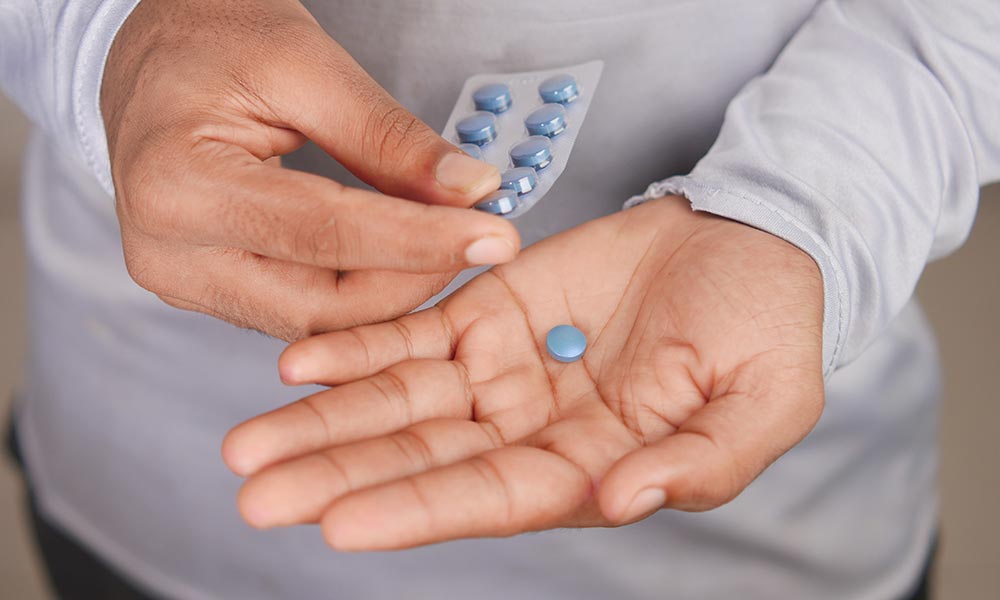
The medication comes in several formulations designed to meet different treatment needs. Sublingual films and tablets (often combined with naloxone in products like Suboxone) dissolve under the tongue. Transdermal patches deliver medication through the skin over several days. Extended-release injections are usually administered once a week or once monthly.
One of buprenorphine’s key characteristics is its long half-life of roughly 24 to 42 hours [3]. This means the medication’s concentration in your body decreases by half every 24 to 42 hours. The desired effects typically lasts 24 hours (for immediate-release formulations), which is why most people take it once daily. This long half-life contributes to sustained relief from cravings and withdrawal but also influences how long the medication remains detectable in various drug tests.
General Clearance & Half-Life
Understanding drug metabolism and clearance helps explain why buprenorphine stays in your body for several days after your last dose. As a general rule, it takes approximately five half-lives for a drug to be eliminated from your body. For buprenorphine with its 24 to 42-hour half-life, this means roughly 5 to 9 days for complete clearance in people with healthy liver function.
However, this timeline can extend significantly for individuals with liver disease. In these cases, clearance can take 7 to 12 days or even longer because the liver is primarily responsible for metabolizing buprenorphine [4].
Different administration methods also alter clearance times. Transdermal patches typically clear from your body in about 5 to 6 days after removal. Sublingual films and tablets generally take 5 to 9 days to be eliminated. Extended-release injections, such as Sublocade, may remain detectable for several months after administration, sometimes up to 10 months depending on dosage and individual factors [5].
Detection Periods by Test Type
Buprenorphine detection windows vary significantly depending on which type of drug test is used. These refer to immediate-release formulations. Here’s what you need to know about each testing method:
| Test Type & Sample | Typical Detection Window | Key Notes |
| Urine Tests | 7-14 days; may extend to two weeks with heavy use | Most common testing method; standard opioid panels may miss buprenorphine |
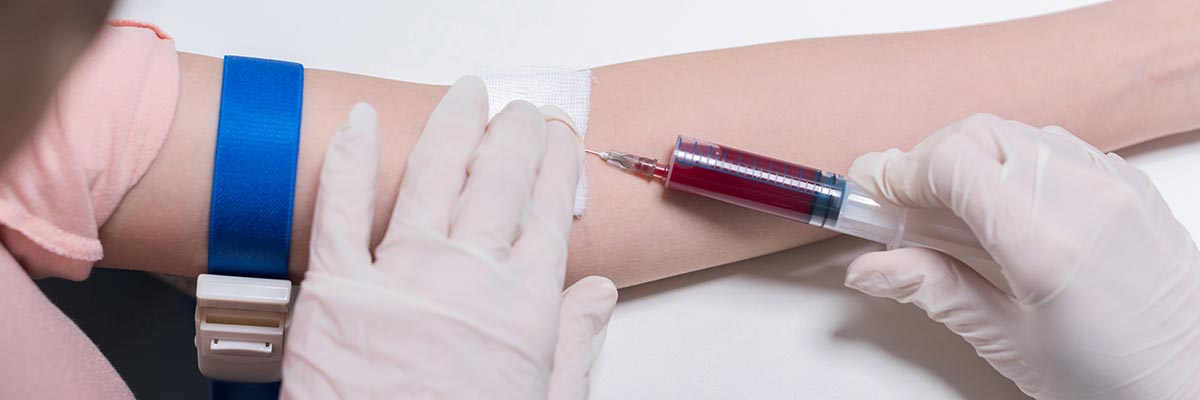
| Blood Tests | 5-9 days | Used for precise measurement but shortest detection window |
| Saliva Tests | 24-48 hours | Not commonly used for buprenorphine |
| Hair Tests | Up to 90 days | Captures long-term patterns of use; 1.5-inch sample shows 90 days |
Standard opioid drug panels often don’t detect buprenorphine because it has a different chemical structure than traditional opioids. Labs must use a specific buprenorphine tests to identify the medication or its primary metabolite, norbuprenorphine [6].
Factors Affecting Detection
Many individual and situational factors influence how long it takes for buprenorphine to be cleared from the body. Understanding these variables helps explain why detection times vary across individuals.
Metabolism, body composition, and age play significant roles. People with slower metabolic rates or higher body fat percentages may retain buprenorphine longer because the medication is fat-soluble. As we age, our metabolism naturally slows, which can extend detection windows [7].
Liver function is a factor. Your liver metabolizes buprenorphine into norbuprenorphine and other metabolites. Impaired hepatic function from conditions like cirrhosis or hepatitis significantly extends clearance and detection windows [4].
Dosage and duration of use directly impact how long the medication stays detectable. Higher doses and long-term use lead to drug accumulation in body tissues, potentially extending detection to 2 to 3 weeks in heavy users or those on maintenance therapy for extended periods [3].
Drug interactions also matter. Certain medications, particularly HIV protease inhibitors and some antifungals, slow buprenorphine metabolism [5].
Genetic variations in liver enzymes affect how quickly different people process the medication.
The form of buprenorphine substantially affects elimination patterns. Transdermal patches, sublingual tablets and films, and extended-release injections each have different clearance profiles.
Managing Buprenorphine Use & Reducing Risks
Safe and effective use of buprenorphine requires attention to several important practices:
- Follow your prescription exactly and never adjust your dosage without medical guidance
- Communicate with providers and employers about your prescription; you’re protected under the Americans with Disabilities Act (ADA)
- Avoid misuse of any kind, including injecting or snorting buprenorphine or Suboxone
- Approach tapering carefully with medical supervision to avoid withdrawal symptoms
- Practice safe storage and disposal to prevent diversion
- Consider long-acting options when appropriate, discussing pros and cons with your healthcare provider
Common side effects during treatment include drowsiness, headaches, dizziness, and constipation. Stopping buprenorphine suddenly can lead to uncomfortable withdrawal symptoms, including anxiety, muscle aches, and insomnia [2].
Why Detection Times Matter
When transitioning patients from one drug to another or changing dose levels of buprenorphine, knowing when buprenorphine will no longer be in the patient’s body is essential to proper timing and to guide healthcare providers. If you intend to take a drug test for employment or other reasons, you can also provide advance notice to those giving the drug test of your use of buprenorphine. For example, anesthesia providers need this information before they perform an operative procedure.
Importantly, a positive test for buprenorphine should never be a basis for discrimination. Buprenorphine is an evidence-based medical treatment for a specific, accepted diagnosis [1].
Our Integrated Support & Expertise
Able 2 Change has a mission to provide aid in the recovery of individuals suffering from opioid addiction through evidence-based practices, and we offer comprehensive care for a range of drug and alcohol use disorders beyond opioids. We know through experience how effective medication-assisted treatment can be for opioid addiction by providing buprenorphine to those who need it most, and we will assist and support individuals through all parts of their recovery process.
Able 2 Change has expertise in all aspects of medication-assisted treatment for substance use: patient-specific dosing regimens, continuous monitoring, and providing complete holistic support (including mental health and addiction support). With three homes in South Orange County, we offer a safe environment for healing.
Our client-to-staff ratio is very low, and we have many years of combined professional experience, so you’ll always receive personal attention from professionals who genuinely care about you. We are happy to provide you with the guidance and support you need for your recovery.