




Key Points
- Cotton fever is a temporary febrile condition that occurs within minutes of injecting drugs drawn through contaminated cotton filters.
- Symptoms include sudden high fever, intense chills, headache, and muscle pain that typically last 6 to 24 hours.
- The condition results from bacteria or endotoxins entering the bloodstream through non-sterile injection equipment.
- While usually self-limiting, cotton fever can mimic serious infections like sepsis and requires medical evaluation.
At this time, there is limited research on cotton fever, and its features, including the cause, disease course, and management are not entirely clear. The information here is what seems to be the most probable of the features of the condition as it is understood so far. Bear in mind that the knowledge is largely theoretical and complete understanding of the disease process is yet to be determined.
If you or someone you care about uses intravenous drugs, you may have heard about a sudden, frightening condition called cotton fever. This not-well understood syndrome occurs soon after injection and can feel alarming, though it usually isn’t life-threatening. Understanding what cotton fever is, recognizing its symptoms, and knowing when to seek help can significantly affect your health and safety.
At Able 2 Change, we provide compassionate, non-judgmental information for anyone seeking to understand this condition. We believe in harm reduction and meeting people exactly where they are. Whether you’re experiencing cotton fever for the first time or looking for support to address substance use, our team is here with hope, understanding, and proven pathways to healing. If you’re willing, we’re able.
What Is Cotton Fever?
What is cotton fever? It’s a temporary febrile syndrome that affects people who inject drugs drawn through cotton filters. This condition represents a systemic inflammatory response that typically occurs within minutes of injection. Despite its sudden and intense onset, cotton fever usually resolves on its own within 24 to 48 hours.
The condition results when bacteria or endotoxins, particularly those from organisms such as Pantoea agglomerans, contaminate non-sterile cotton filters and enter the bloodstream during injection [1]. When people inject drugs, they often use cotton balls or cigarette filters to strain the drug solution. If these materials aren’t sterile or have been used before, they can harbor dangerous contaminants that trigger an intense immune response.
Causes & Risk Factors
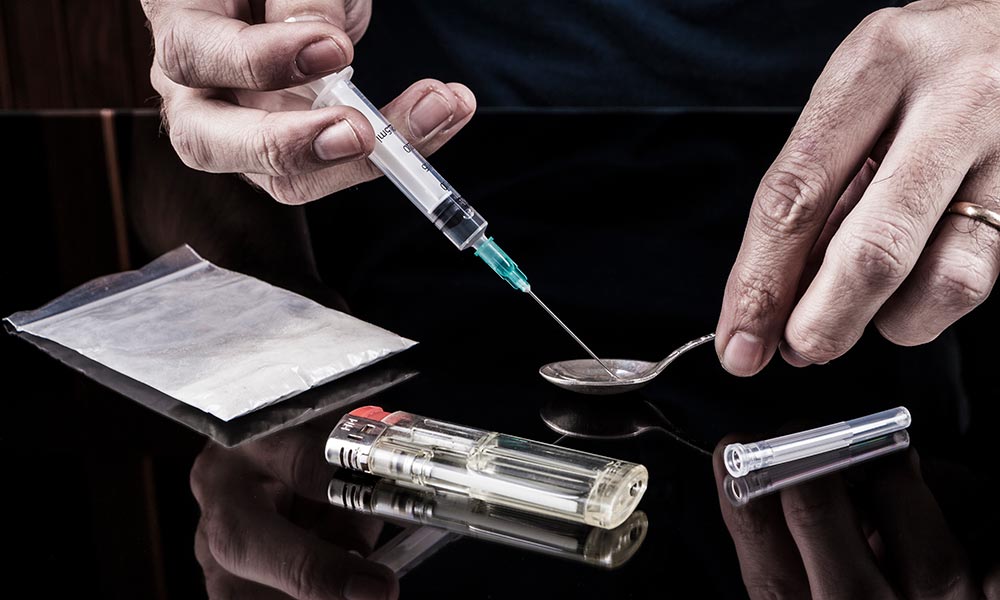
The primary cause of cotton fever is the injection of bacteria or cotton contaminants from reused filters or needles. When someone “shoots the cottons” (re-injecting drugs from previously used cotton filters), they significantly increase their risk of developing this condition.
Several theories explain how cotton fever develops. The most widely accepted explanation involves bacterial contamination, particularly from Pantoea agglomerans [2]. Other theories suggest that preformed antibodies to cotton particles, endotoxin release from bacterial cell walls, or the injection of old blood trapped in used filters may cause or contribute to the condition.
Certain behaviors and substances increase your risk, such as reusing cotton filters or “washing” old cottons to extract residual drugs; using non-sterile equipment, including needles, cookers, and water; injecting heroin, the most commonly associated drug; using pentazocine, methamphetamine, cocaine, or other opioids; and sharing equipment with others.
Symptoms & Onset
Cotton fever symptoms appear suddenly and can feel overwhelming. The condition typically begins 15 to 30 minutes after injection. Recognizing these symptoms of cotton fever helps you distinguish cotton fever from other medical emergencies.
Common symptoms include:
- Sudden high fever, often exceeding 101°F (38°C)
- Intense chills and uncontrollable shivering
- Severe headache
- Muscle and joint pain throughout the body
- Abdominal pain and cramping
- Nausea and vomiting
- Extreme fatigue and weakness
- Shortness of breath
- Rapid heartbeat (tachycardia)
Less common symptoms include back pain, kidney pain, profuse sweating, feelings of dysphoria, and intense fear or anxiety. The combination of these symptoms can mimic sepsis (blood stream infection) or other serious infections, which is why medical evaluation is crucial.
| Symptom Category | Common Presentations | Typical Duration |
| Fever Response | High fever (>101°F), severe chills, sweating | 6-12 hours |
| Body Pain | Muscle aches, joint pain, headache, back pain | 6-24 hours |
| Systemic Effects | Nausea, vomiting, fatigue, rapid heartbeat | 12-48 hours |
The intensity of symptoms typically peaks within the first few hours and gradually subsides. Most people feel significantly better within 6 to 12 hours, though some symptoms may linger for up to 24 to 48 hours.
Cotton Fever vs. Serious Infections
One of the most challenging aspects of cotton fever is that its symptoms overlap significantly with those of serious, life-threatening conditions such as sepsis and infective endocarditis [3]. Both cotton fever and sepsis present with high fever, chills, rapid heartbeat, and body aches. However, sepsis represents a severe bloodstream infection that requires immediate antibiotic treatment.
Infective endocarditis, an infection of the heart valves, shares similar initial symptoms but progresses differently. Unlike cotton fever, which resolves quickly, endocarditis worsens over time and causes progressive heart damage. Healthcare providers may start antibiotics or conduct diagnostic tests to rule out these serious infections.
This is why honesty about drug use when seeking medical care is essential. When you tell healthcare providers about your injection drug use and the timeline of your symptoms, they can make more accurate diagnoses and provide appropriate care.
How Long Does Cotton Fever Last?
How long does cotton fever last? The typical duration is 24 to 48 hours from symptom onset. Most people experience the most intense symptoms in the first 6 to 12 hours after injection, with gradual improvement afterward. While the condition is usually self-limiting, the discomfort can be significant during the acute phase.
If your symptoms persist beyond 48 hours, worsen instead of improving, or include new concerning features like confusion, difficulty breathing, or chest pain, seek medical attention immediately [4].
Treatment & Self-Care Options
There are no specific medical guidelines related to cotton fever at present; conservative treatment seems to work best for most people. As such, there are a number of self-care measures that have been shown to reduce cotton fever symptoms:
- Rest, drink plenty of fluids (especially those with electrolytes).
- Use anti-fever medications (e.g., ibuprofen, acetaminophen) to help reduce your temperature and alleviate pain; be sure to read the labels carefully.
- Use cold compresses and light clothing. To help alleviate discomfort, wet a cloth and apply it to your forehead or take a lukewarm bath.
- Do not inject again. It takes time for the body to heal. It’s time to get lifesaving help.
Seek medical attention immediately. People with severe cases may require IV hydration, antibiotics, and monitoring in the emergency department or hospital [3].
Professional Treatment & Recovery Support
Cotton fever may serve as a wake-up call for those who use intravenous drugs. Not only is cotton fever uncomfortable, but using an IV drug also puts you at risk for developing sepsis, infective endocarditis, human immunodeficiency virus (HIV), and hepatitis C, as well as other bloodborne pathogens [5].
At Able 2 Change, we know substance abuse often arises from deeper emotional pain or difficult circumstances, and/or trauma and mental illness. We provide you with medically supervised detox to safely stop using drugs/alcohol, followed by a comprehensive addiction treatment program within a safe, supportive environment.
Our small staff-to-client ratio allows you to receive individualized care throughout your recovery. With decades of collective experience, our team provides evidence-based treatment for those suffering from both addiction and mental illness. We also offer treatment for those who suffer from coexisting conditions such as anxiety and depression, post-traumatic stress disorder, and other psychiatric disorders.
We have a facility located in San Juan Capistrano and three other homes in South Orange County to help create a home-away-from-home feel so that healing may begin. Our dual diagnosis approach recognizes the interrelatedness of substance use disorders and other mental health conditions, and that both must be treated for a person to have a good chance for successful, long-term recovery.
Prevention & Harm Reduction
The following information does not indicate encouragement, approval, or acceptance of illicit drug use. It acknowledges that drug use may continue despite overwhelming knowledge and experience of its harms.
If you are looking to stop using drugs, we encourage you to seek help; however, we also want to provide harm reduction [6] for those who are not ready to stop using drugs, such as using clean needles and other supplies to cut down on the chance of getting cotton fever and other injection-related issues [5].
- For each injection, always use sterile syringes and membrane filters.
- Never reuse any type of cotton filters, nor should you ever do “cotton shots.”
- If available in your community, utilize syringe exchange programs, which can provide you with clean needles.
- Look for supervised consumption programs in your local area that offer immediate medical attention if needed.
- Whenever possible, consider using alternative methods other than injection to consume drugs (i.e., smokable or injectable).
Many communities offer harm-reduction resources, including needle exchanges, naloxone distribution [6], and education about safer use practices. These programs operate without judgment and exist solely to keep people safe.
Cotton Fever & Addiction Recovery
Cotton fever often signals that IV drug use is causing real harm to your body. While the condition itself usually resolves, it is a warning about the serious dangers you face each time you inject. This moment can become an opportunity to consider whether you’re ready for change.
Recovery is possible, and it begins with a single decision to seek help. The journey typically includes:
Detoxification provides medical support as your body adjusts to functioning without substances. Our supervised detox ensures your safety and comfort.
Inpatient or outpatient rehabilitation offers structured treatment tailored to your needs. You’ll work with therapists, counselors, and medical professionals who understand addiction.
Therapy modalities, including Cognitive Behavioral Therapy (CBT, a form of talk therapy that focuses on identifying and changing unhelpful thoughts and behaviors), trauma-informed care, and group counseling, help you understand the roots of your substance use and develop healthier coping strategies.
Aftercare and continuing support ensure you maintain your progress long after formal treatment ends. Recovery is a lifelong journey.At Able 2 Change, our compassionate, evidence-based approach creates a supportive community where healing happens. We believe in your ability to change. If you’re willing, we’re able.