



Key Points
- Dabs are highly concentrated cannabis extracts containing 60-90% THC, compared to 10-25% in traditional flowers.
- Dabbing delivers an intense, rapid high through vaporized concentrates but carries heightened health and safety risks.
- High-potency concentrates can accelerate tolerance, dependency, and increase the risk of cannabis use disorder.
- Home extraction of dabs is extremely dangerous and can result in explosions, fires, and serious burns.
- Evidence-based treatment and compassionate support are available for those struggling with cannabis concentrate use.
Introduction
If you’ve heard the term “dabs” and wondered what it means, you’re not alone. Dabs refer to concentrated forms of cannabis that contain significantly higher levels of tetrahydrocannabinol (THC) [1] (the psychoactive compound in marijuana) than traditional cannabis flowers. Dabbing is the method of consuming these concentrates by heating them to produce a vapor that’s inhaled. While cannabis flower typically contains between 10% and 25% THC, concentrates can reach potency levels of 60% to 90% or even higher.
The practice of dabbing has gained considerable popularity in recent years, particularly among those seeking more intense effects. While the modern form of dabbing dates back to at least the 1960s, advances in extraction technology have made these products more accessible and potent than ever before. Understanding what dabs are, how they’re used, and the potential risks involved is essential for anyone considering this form of cannabis consumption or concerned about a loved one’s use.
What Are Dabs?
Dabs are concentrated cannabis extracts produced through a process that uses solvents such as butane, propane, or carbon dioxide (CO₂) to separate cannabinoids and terpenes, the aromatic compounds found in cannabis plant that give it its unique scent and flavor, from the plant material. The result is a highly potent substance that contains much higher concentrations of THC than what you’d find in traditional cannabis flower.
The difference in potency is substantial. Where smoking or vaping cannabis flower might expose you to 10% to 25% THC, dabs typically contain between 60% and 90% THC, making them significantly more powerful than conventional cannabis consumption products [1].
These concentrates come in several different forms, each with distinct textures and appearances.
- Shatter is a glass-like, amber-colored translucent concentrate that’s hard, brittle, and breaks easily. It’s typically sold by the gram in envelopes, jars, or other containers.
- Wax has a softer, opaque texture similar to candle wax and a yellow/amber color. It’s commonly sold by the gram in air-tight glass or silicone containers.
- Budder offers a creamy, butter-like consistency that’s easy to handle. This sticky yellow substance is generally sold in pre-weighed, sealed containers measured by the gram.
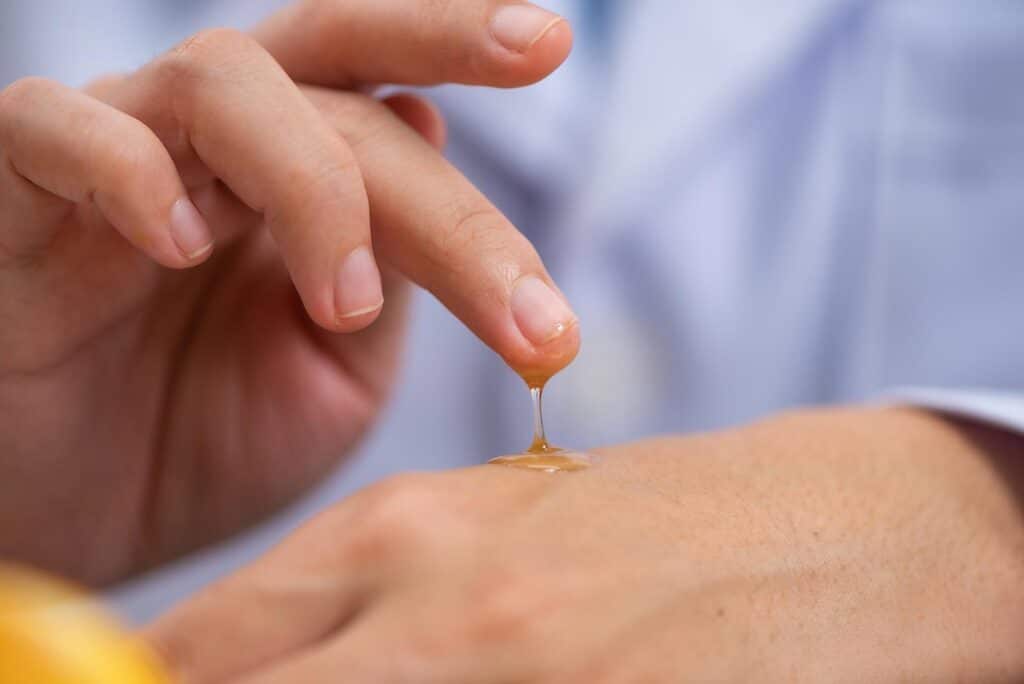
- Live resin, made from fresh-frozen cannabis plants, is known for preserving more terpenes and offering enhanced flavor profiles. It’s sold in pre-filled vape cartridges or small air-tight containers. It can be a deep golden color to a very pale yellow and has a honey-like consistency.
How Are Dabs Made?
The extraction process for creating dabs involves soaking cannabis plant material in a solvent, which strips away the cannabinoids and terpenes. The mixture is then filtered to remove plant debris, and the solvent is carefully purged through a heating and vacuum process to eliminate residual solvents.
Attempting to make dabs at home is extremely dangerous [2]. The solvents used in extraction, particularly butane and propane, are highly flammable and volatile. Amateur production has resulted in numerous explosions, house fires, and severe injuries. The process requires specialized equipment, proper ventilation, and extensive knowledge of chemistry and safety protocols.
Commercial producers in legal markets follow strict safety regulations, use professional-grade equipment in controlled environments, and conduct quality control testing to ensure products are free from harmful residual solvents and contaminants.
How Is Dabbing Done?
Dabbing requires specialized equipment that differs significantly from traditional smoking devices. The primary tool is a dab rig, which resembles a water pipe but includes a “nail” instead of a bowl. The nail, made from quartz, titanium, or ceramic, is heated to extremely high temperatures using a torch.
The basic process works like this: First, the nail is heated until it reaches the desired temperature. Once heated, a small amount of concentrate is applied to the hot nail using a dabber tool. The concentrate instantly vaporizes upon contact, and the user inhales the resulting vapor through the rig. Some users prefer electronic rigs (e-rigs) that offer precise temperature control without requiring a torch, while vape pens designed for concentrates provide a more portable option.
Because the vapor is inhaled in a single breath and the THC content is so concentrated, the effects are both more immediate and more intense. This rapid delivery system means users feel the impact almost instantly, which can be overwhelming for those unprepared for the potency [1].
Why Do People Dab?
People choose to dab for various reasons. Dabbing delivers cannabinoids rapidly into the bloodstream, providing almost immediate effects. The high concentration of THC produces more intense experiences than smoking flower [1]. Because concentrates are so potent, smaller quantities are needed to achieve the desired effects. Many concentrates, particularly live resin, preserve terpenes that offer rich, diverse flavors.
Some individuals use concentrates for medical purposes under professional supervision, particularly for managing chronic pain. However, even in medical contexts, the high potency of dabs can lead to rapid tolerance development and potential dependency.
Effects of Dabbing
The effects of dabbing can be intense and sometimes unpredictable, especially for those unaccustomed to high-potency THC products. Immediate physical effects may include rapid heart rate [3], dizziness, intense euphoria or deep relaxation, altered perception of time, and nausea or vomiting.
Psychological effects can be equally significant and potentially distressing. Users may experience anxiety and paranoia, even if they don’t typically have these symptoms with lower-potency cannabis. Panic attacks, hallucinations, confusion, and disorientation can occur [4].
High-potency THC also disrupts cognitive functioning, affecting memory formation, concentration, and motivation [3]. These effects can persist beyond the immediate high, particularly with regular use.
Risks and Long-Term Concerns
Dabbing carries several serious health and safety risks. Regular dabbing can cause respiratory irritation from inhaling hot vapor. While dabbing avoids the combustion products of smoking, the extremely high temperatures can damage lung tissue. Poorly produced concentrates may contain residual solvents or contaminants like pesticides, heavy metals, or mold [1].
Safety hazards are considerable. Burns from torches and hot nails are common injuries. More seriously, home extraction attempts [2] frequently result in explosions and fires that can cause devastating injuries and property damage.
Mental health risks increase with high-potency cannabis use. Research indicates that regular use of concentrated cannabis products elevates the risk of psychotic symptoms, the development of cannabis use disorder, and cognitive impairment (a decline or deficit in thinking, memory, language, and judgment). These risks are particularly pronounced in adolescents and young adults, whose developing brains are more vulnerable to the impacts of high-potency THC. Other dangers include accidents caused by loss of consciousness, impaired coordination, or poor judgment [3] while under the influence.
Dabbing vs. Other Cannabis Consumption Methods
How does dabbing compare to other ways of using cannabis? Smoking cannabis flower involves combustion, which produces tar and other harmful byproducts, but the THC content is lower, making the effects more gradual and generally easier to manage. Vaping flower heats cannabis without combustion, reducing exposure to some harmful compounds while delivering lower THC concentrations than dabbing.
Dabbing concentrates avoids combustion but still exposes users to very high heat and delivers extremely concentrated THC. While this provides rapid, intense effects that some users desire, it also carries heightened risks of adverse reactions, tolerance development, and dependency.
Harm Reduction and Safety Tips
If you choose to use dabs despite the risks, certain precautions can help reduce potential harm. Purchase from regulated sources that test products for potency, purity, and contaminants. Use proper equipment and, if possible, electronic rigs that allow precise temperature control. Overheating concentrates can convert terpenes into toxic compounds.
Never attempt a do it yourself (DIY) extraction [2]. The risk of explosion, fire, and serious injury is too high.
Start with very small amounts and wait at least 15-20 minutes before considering another dose. The intensity can be overwhelming.
If you’re under 25 years old, have a personal or family history of mental health conditions, or are pregnant or breastfeeding, the safest choice is to avoid dabbing altogether. The most effective harm reduction strategy is to avoid dabbing entirely, particularly if you’re young or vulnerable to mental health concerns.
Can Dabbing Lead to Addiction?
Yes, dabbing and other forms of cannabis use can lead to cannabis use disorder. High-potency concentrates may accelerate this process because they rapidly build tolerance, requiring users to consume more to achieve the same effects [5].
Common signs of cannabis use disorder include developing tolerance, experiencing cravings, continuing to use despite negative consequences, spending significant time obtaining or using cannabis, giving up important activities, and unsuccessful attempts to cut back or stop.
When someone who uses concentrates regularly tries to stop, they may experience withdrawal symptoms such as irritability, sleep disturbances, changes in appetite, restlessness, and anxiety or depression. These symptoms can be uncomfortable enough to prompt continued use, perpetuating the cycle of dependency.
Getting Help – Treatment and Support
If you’re concerned about your own cannabis use or worried about someone else, please know that help is available and recovery is entirely possible. Many people have successfully addressed problematic cannabis use and gone on to lead fulfilling, healthy lives.
Evidence-based treatments for cannabis use disorder have proven effective. Cognitive-behavioral therapy (CBT) helps individuals identify and change thought patterns and behaviors related to cannabis use. Motivational enhancement therapy supports people in finding their own reasons to change and building commitment to recovery.
At Able 2 Change, we understand the unique challenges that come with cannabis concentrate use. Our experienced clinical team provides compassionate, individualized care in a supportive environment. We recognize that substance use often coexists with mental health concerns like anxiety, depression, or trauma, and we address all aspects of your well-being together. Contact us for a confidential conversation about how we can support you or your loved one on the path to recovery.
Conclusion
Understanding dabs and dabbing means recognizing both what these products are and the serious risks they carry. Dabs are highly concentrated cannabis extracts containing 60% to 90% THC or more, delivering intense effects that far exceed traditional cannabis flower. While some users are drawn to the rapid onset and potency of concentrates, these same characteristics create heightened risks of adverse reactions, respiratory damage, mental health concerns, and addiction.
If you or someone you care about is struggling with cannabis concentrate use, please remember that you’re not alone and recovery is possible. Cannabis use disorder is treatable with evidence-based therapies, professional support, and compassionate care.