



Key Points
- Drug test result times vary from minutes for rapid tests to several days for lab-based confirmations, depending on the test type.
- Negative results typically return within 24 to 48 hours, while positive results require additional confirmatory testing that adds days.
- Urine tests are the most common and usually take 1 to 3 business days, with hair tests taking the longest at 5 to 10 days.
- Factors like lab workload, sample transportation, test complexity, and MRO review all influence turnaround times.
Waiting for drug test results can feel stressful, whether you’re preparing for a new job, participating in a treatment program, or facing legal requirements. The uncertainty and anticipation can create anxiety, especially when so much feels like it’s riding on the outcome.
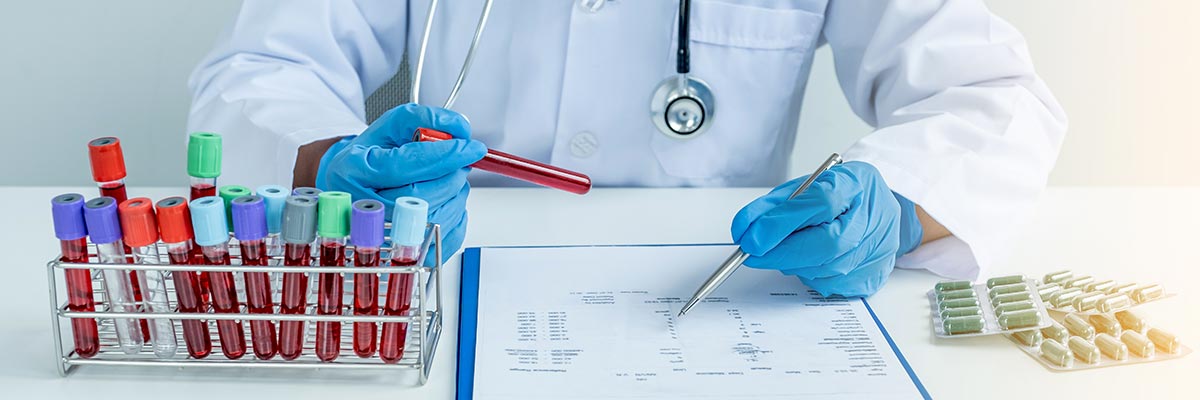
The truth is that how long it takes to receive drug test results varies widely depending on several factors, including the type of test administered, whether substances are detected, and the specific laboratory processing your sample [1]. Some tests provide results within minutes, while others may take a week or more. The time to receive a report may differ from the time for processing a sample.
At Able 2 Change, we value transparency and support throughout every step of the testing and recovery journey. Whether you’re seeking information to better understand the process or you’ve received results indicating a need for help, our compassionate team is here for you.
What Affects Drug Test Result Turnaround Times?
Several key factors influence how long it takes for a drug test report to come back. Understanding these variables helps set realistic expectations during the waiting period.
Type of test and sample play the most significant role. Urine, saliva, blood, hair, and sweat tests each have different processing requirements and detection windows [2]. Some samples can be analyzed quickly, while others require more complex laboratory procedures.
Rapid versus lab-based testing creates a major difference in result speed. Point-of-collection or instant tests performed on-site may provide results within minutes. However, lab-based confirmations [3], which are more accurate and legally defensible, take considerably longer.
Positive versus negative results also affect timing significantly. Negative results are typically available quickly because they require only initial screening. However, non-negative results trigger confirmatory testing using more sophisticated methods, adding several business days [4].
Lab workload and shipping logistics introduce variables beyond anyone’s control. The distance between the collection site and testing laboratory, transportation methods, and the lab’s current workload all impact when you’ll receive results [1].
Drug panel complexity matters as well. A standard 5-panel test screens for fewer substances than a 10-panel or 12-panel test. Tests looking for unusual drugs or specific metabolites may require additional assays, extending processing time [4].
Steps in the Drug Testing Process
Understanding the drug testing process helps demystify why results take as long as they do. Each step serves an important purpose in ensuring accuracy.
Sample collection is the first step and typically takes only a few minutes. For urine tests, you’ll provide a sample in a sterile cup. Saliva tests involve swabbing the inside of your cheek. Blood draws require a trained phlebotomist. Hair tests involve cutting a small sample close to the scalp.
Initial screening happens next and uses immunoassay technology or rapid test methods to detect the presence of drug metabolites [4]. This screening is designed to identify negative samples quickly. Results may be reported quickly for rapid tests or within 1-2 days for samples sent to labs.
Confirmatory testing becomes necessary when initial screening produces non-negative results. Laboratories use highly precise methods such as gas chromatography-mass spectrometry (GC-MS) to confirm the exact substances present[3]. This process typically adds two to five business days but provides legally defensible, highly accurate results.
Medical Review Officer (MRO) evaluation follows confirmatory testing for positive results. A certified MRO, who is a licensed physician with specialized training, reviews all lab findings [5]. The MRO considers whether prescriptions or medical conditions might explain the presence of certain substances.
Reporting results is the final stage. Results are securely transmitted to the employer, treatment provider, or other requesting party. Privacy laws like HIPAA protect your health information throughout this process.
How Long Does Each Type of Drug Test Take?
Different testing methods have distinct turnaround times based on their complexity and purpose:
| Test Type | Typical Result Time | Details & Context |
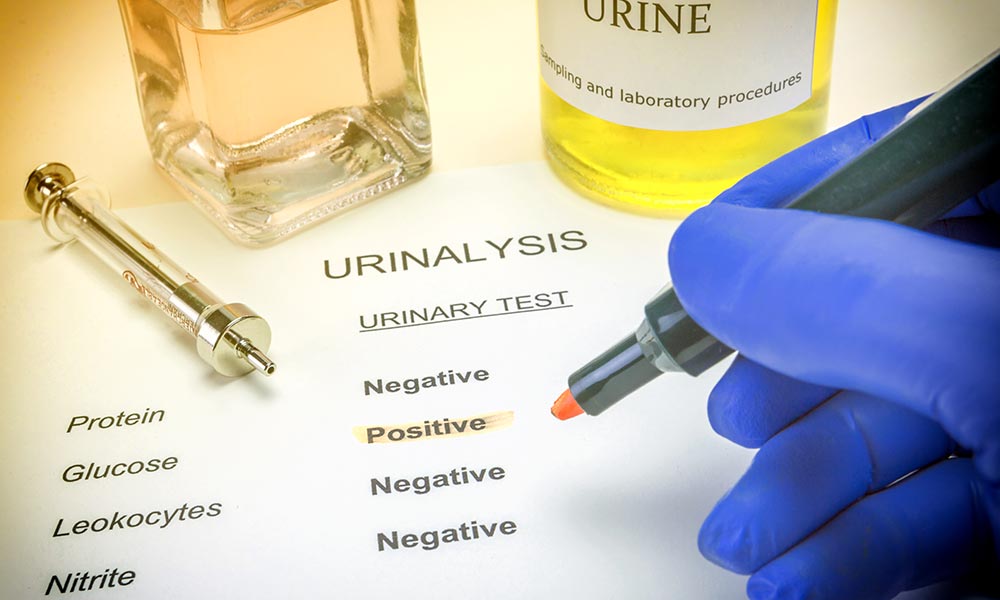
| Urine | 1-2 business days for negative; 3-5 days if confirmation needed | Most common pre-employment test; rapid versions give results in minutes |
| Saliva | Minutes for point-of-collection; 24-48 hours for lab samples | Detects very recent drug use; often used for workplace screening |
| Blood | 24-48 hours or longer | More invasive; used to detect current impairment |
| Hair | 5-10 days | Detects drug use over several months; longest turnaround time |
| Sweat | 7-14 days | Less common; uses a patch worn on skin for multiple days |
| Rapid Tests | Minutes for negative samples | Non-negative results require lab confirmation, adding several days |
These are estimates. Actual times vary based on facilities, shipping logistics, and company policies. There may be a period of time between when the testing process is completed and when the result is reported or available.
Factors That Influence How Long Results Take
In addition to the fundamental testing method, other factors, including the testing site, and number of drugs, will help determine your wait time for a test result..
The number and complexity of drugs included in a panel can increase the time required to complete a drug test. A 5-panel test detects five specific drug types (amphetamines, cocaine metabolites, marijuana, opiates, and PCP or barbiturates.) However, tests for more than 10 types of substances require more lab time [4].
The location of your sample collection creates an additional factor that delays processing; rural areas have longer distances to send samples to labs, so the greater distance delays getting results [1].
Regulated and non-regulated testing have different protocols. Department of Transportation (DOT) tests follow strict chain-of-custody procedures and mandatory MRO review, which can lengthen the process [5].
Confirmation of positive findings always requires longer processing, because if signs of drug use are detected during screening, definitive confirmation testing occurs [3]. The MRO reviews their conclusions as well, which adds another 2 to 5 business days to the processing time.
The use of electronic chain-of-custody and scheduling has improved efficiency in the testing process.
Tips for Employers & Test-Takers to Expedite Results
While some factors remain beyond your control, several strategies can help minimize waiting time:
- Use reputable testing providers with certified laboratories.
- Schedule tests early in the hiring process or legal timeline to allow adequate processing time.
- Prepare properly by bringing valid identification and following all instructions carefully.
- Leverage rapid screening appropriately when immediate preliminary results would be helpful.
Our Unique Approach & Compassionate Support
Drug tests are often required when applying for jobs or going through legal proceedings, but they also help identify substance abuse problems that may need help. So, while a positive drug test doesn’t define you, it may indicate that you would benefit from some type of support.
Able 2 Change understands that getting a positive test for drugs can be a lot to deal with. Therefore, we use an integrated model to help clients address their mental health and substance abuse disorders together, because we know that these disorders seldom exist independently from one another.
At our facility, we provide both medical supervision of detoxification (where trained health care professionals help patients safely manage the withdrawal symptoms associated with detoxification through medications and supportive therapy) and aftercare, which includes comprehensive integration of psychiatric care and support into your recovery process.
Located in beautiful San Juan Capistrano, CA, we will make you feel welcome. We have three comfortable residences in South Orange County to offer a warm, encouraging environment for your healing.
We have been providing this service for over 24 years. With a low client-to-staff ratio, we will ensure you receive the individualised attention and support you need to be successful in your recovery. If you are willing to put forth effort, we will help you with every challenge that you face. That is our promise to you.